

Spring beekeeping is looking very different across parts of the country this year. While many beekeepers would normally expect strong nectar flow and rapid colony growth this time of year, some areas experienced unusually dry conditions—and colonies have felt the effects.
We’re sharing an important reminder to read the colony, not the calendar as drought conditions and inconsistent forage are forcing some beekeepers to feed colonies at an unprecedented time.
And on the PerfectBee YouTube channel, Brittany is back with a follow-up look at the new Lyson RAPID Hive system—this time showing how quickly a small split colony is drawing out new frames using PerfectBee wooden frames and plastic foundation.
Seasonal Beekeeping Tip: Read the Colony, Not the Calendar
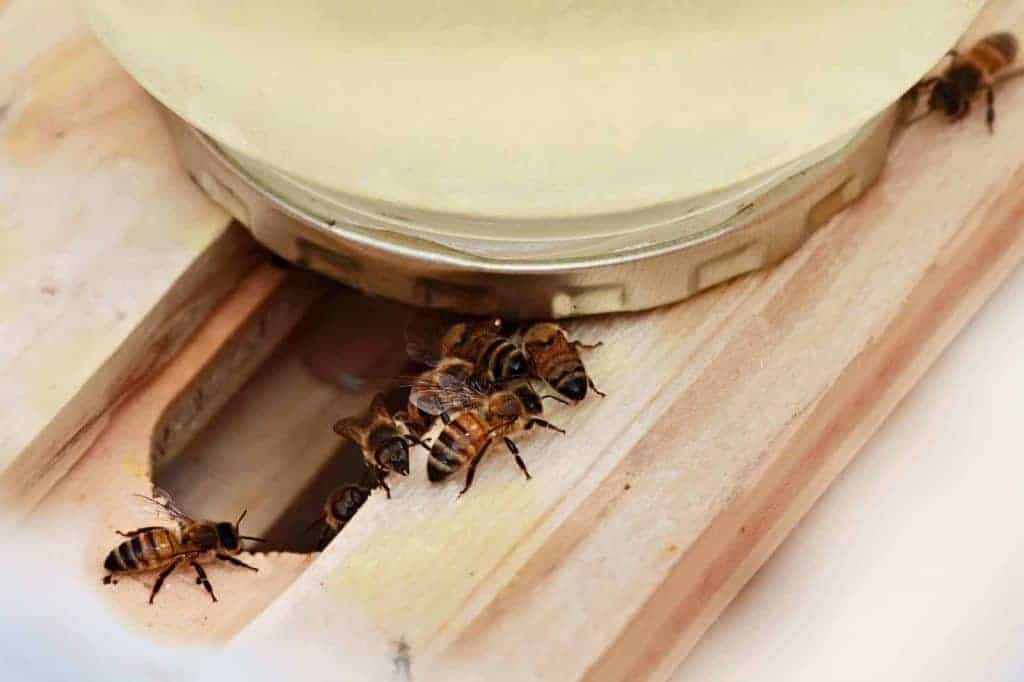
For many beekeepers across parts of the Midwest, this spring has brought an unexpected challenge: drought conditions during what is normally one of the strongest buildup periods of the year.
Traditionally, April and May provide abundant forage, reliable nectar flow, and steady colony growth. But this year, some beekeepers are finding themselves doing something they never expected this early in the season—feeding their bees to prevent starvation.
It’s an important reminder that successful beekeeping depends less on calendar dates and more on observing:
- Local weather patterns
- Bloom conditions
- Colony weight and food stores
- Bee behavior inside the hive
A colony can look large and active while still running dangerously low on incoming nectar. During dry periods, plants may bloom but produce little nectar, leaving bees struggling to keep up with brood rearing and daily needs.
If your colonies feel light during inspections or you notice bees rapidly consuming stored resources, supplemental feeding may be necessary—even during months when you normally wouldn’t expect it.
A few helpful reminders this time of year:
- Internal feeders and hive-top feeders are often safer than open feeding, especially as robbing pressure increases
- Colonies drawing comb or rapidly expanding brood may consume resources faster than expected
- Regular inspections help catch food shortages before they become emergencies
Every season and location is different. Often times, the best thing a beekeeper can do is adapt quickly to what the bees are telling them—not what the calendar says should be happening.
Read more about feeding your bees:
- An Introduction To Feeding Bees
- How can emergency and spring feeding help your bees?
- Perspective on feeding bees
Shop Monitors & Scales to closely monitor your colonies
Ana’s Journey to Beekeeping: Wait…Bees Rob Each Other?

From Bolivia to Bees continues this week with: Robbing Bees in Robbing Season
One of the more surprising lessons many new beekeepers learn is that honey bees don’t always play nice—especially when food becomes scarce.
In this week’s article, Ana dives into the fascinating (and chaotic) reality of robbing season, when stronger colonies attempt to steal honey from weaker hives. From guard bees and defensive behavior to full-on robbing frenzies, she shares what it looks like, why it happens, and how beekeepers can help protect vulnerable colonies.
Inside the article:
- How bees identify intruders by scent
- Why robbing behavior increases during nectar shortages
- Signs your hive may be under attack
Practical ways to reduce robbing pressure and protect smaller colonies
It’s an eye-opening look at one of the harsher realities of honey bee survival—and an important topic for beekeepers this time of year.
Shop Entrance Reducers and Guards before robbing season begins!
Robbing Bees in Robbing Season
PerfectBee on YouTube: Helping Bees Draw Comb Faster
This spring, team member Brittany installed a small split colony onto new PerfectBee frames and foundation—and the bees wasted no time getting to work.
In our latest YouTube video, she shares a close-up look at how quickly the colony is drawing comb and expanding onto the new frames inside the Lyson RAPID Hive system.
For packages, nucs, and fresh splits, giving bees properly assembled frames with strong foundational support can make a major difference during buildup season. Straight comb, consistent spacing, and reliable foundation help colonies efficiently expand brood nests and organize incoming nectar and pollen.
In this video, Brittany covers:
- Progress from a recently made split
- How quickly bees can draw new comb under good conditions
- PerfectBee wooden frames and plastic foundation in action
Shop our Frames and Foundation and give your bees a jumpstart!
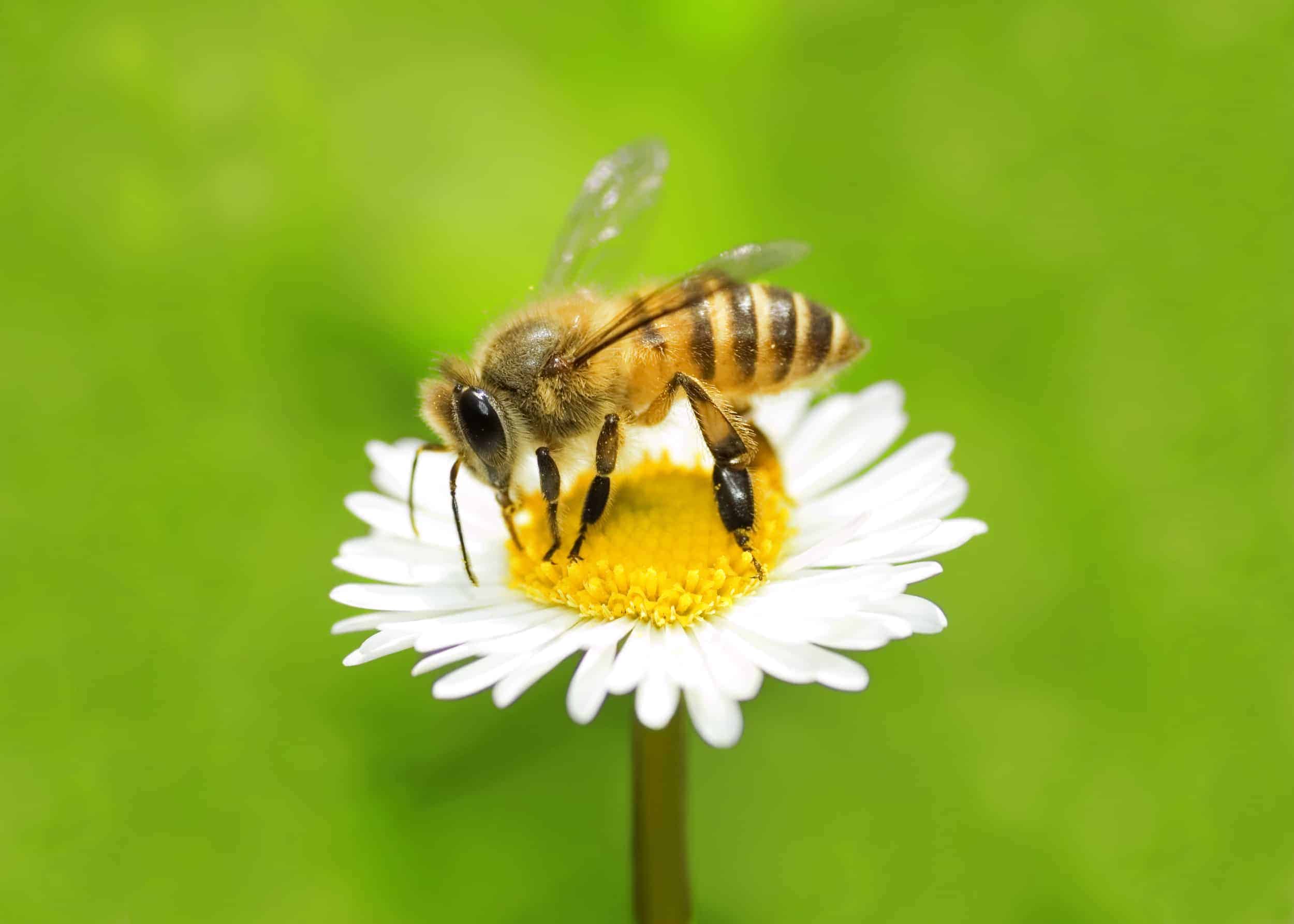
Beekeeping constantly reminds us that nature doesn’t always follow predictable patterns. Whether it’s drought conditions changing nectar flow, colonies needing unexpected feeding, or stronger hives targeting weaker ones during robbing season, successful beekeeping comes down to observation and adaptability.
The more we learn to read our bees and respond to changing conditions, the better equipped we are to help our colonies thrive through both the easy seasons and the difficult ones.
Thanks for being part of the PerfectBee community, and we hope your colonies stay healthy, productive, and well-fed as the season progresses.
Until next time,
The PerfectBee Team


