
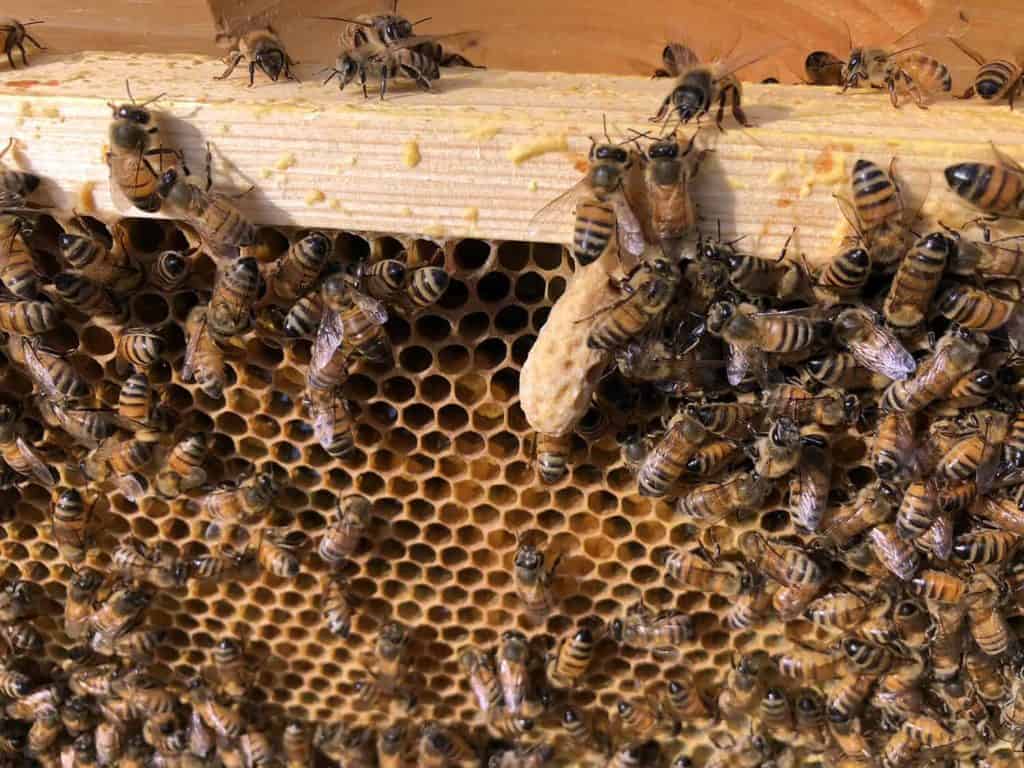
If there’s one thing beekeeping teaches us—especially in spring—it’s that even the best-laid plans don’t always go the way we expect. Colonies grow fast, instincts kick in, and sometimes the bees make decisions that leave us playing catch-up.
This week’s newsletter is all about learning from those moments. We’re sharing a real-world swarm season follow-up from the apiary, along with Ana’s latest hands-on experience tackling one of beekeeping’s messier (but rewarding) byproducts: beeswax.
Seasonal Beekeeping Tip: When Your Plan Isn’t the Bees’ Plan
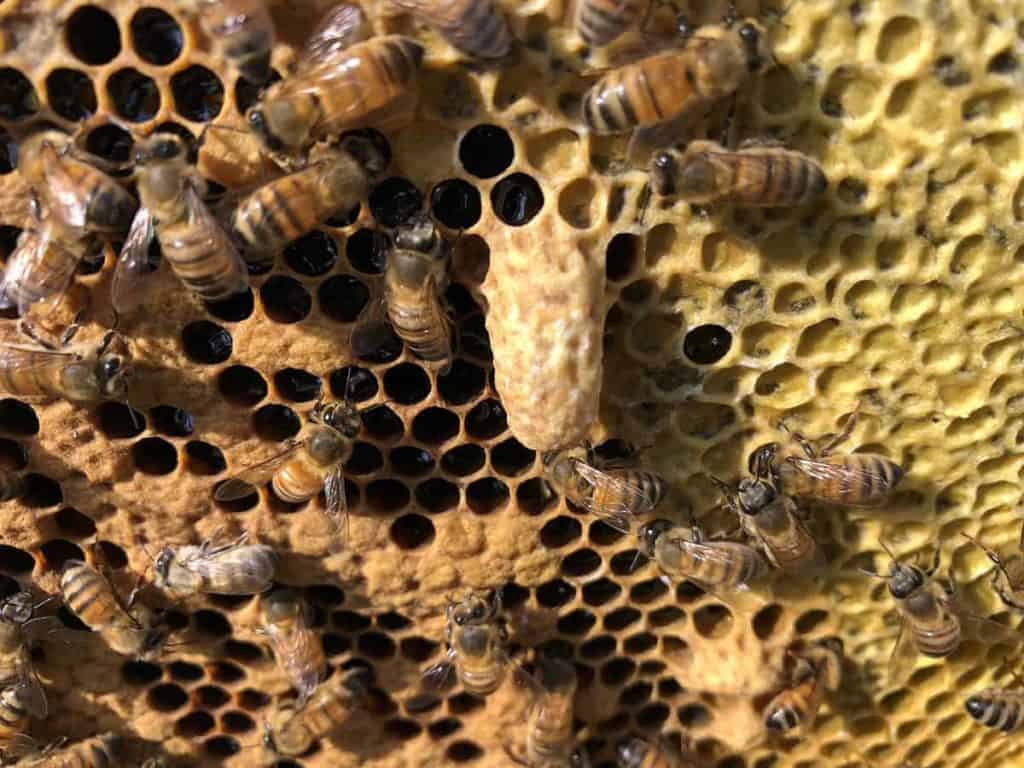
Brittany, here at PerfectBee, has had a fascinating and educational week. Here’s that story…
“After getting back into the hives this week, I was able to confirm what happened, and it’s a great (and humbling) lesson for this time of year.
Despite splitting two very strong overwintered colonies to prevent swarming, the two hives I left to raise new queens appear to have swarmed anyway. What I found was telling: one hive with a single capped queen cell, and the other with two. No other brood present.
Biologically, and also doing some bee math, those queen cells have to be from the new queens—not the original queens I moved during the splits. Which leads to the likely conclusion:
these colonies were already committed to swarming before the splits were made.
Even though the splits were intended to interrupt that process, the conditions were still there—strong populations, swarm momentum, and already-charged queen cells (which I observed when I made the splits). By leaving those colonies strong to become production hives, they simply continued with the plan and cast swarms anyway.
What’s left behind is a precarious situation. These colonies are now relying on just one or two queen cells to successfully emerge, mate, and establish a laying queen. It can work—but there are several points where things could go wrong.”
So, what can we learn from this?
- Timing matters. If swarm cells are already charged, and you leave the colony too strong, a split may not stop the process.
- Strong colonies don’t always abandon swarm plans, even when we intervene.
- Swarm season is about staying ahead of the bees but be nimble if the bees change the plan on you.
- Understanding basic bee biology is critical, it’s what allows you to interpret what you’re seeing and decide what to do next.
Swarming: Control & Prevention
As beekeepers, the goal is always to stay proactive—anticipating growth, reading the colony, and making moves before the bees do. But the reality is, sometimes the bees are already a step ahead.
When things don’t go to plan, we have to reevaluate and support the colony based on where it is now—not where you planned it would be.
That’s the balance of beekeeping this time of year. You’re managing, guiding, and staying ahead whenever possible, but also recognizing that bees will occasionally follow their own instincts—and you’ll need to adapt.
Swarm Management in Spring
Every time things don’t go the way you planned, is an opportunity to learn and do better next time. Ultimately, that’s what makes you a better beekeeper.
The Big Issues to Check at the Hive Inspection
Make sure you have extra boxes and frames to expand before you need it, otherwise it might be too late.
Nucs and Swarm Retrieval – PerfectBee
Ana’s Journey to Beekeeping: From Sticky Mess to Usable Wax

From Bolivia to Bees continues this week with: The Fun Mess of Rendering Wax
Beeswax is one of the most versatile—and underestimated—products of the hive. But as Ana shares in this week’s article, working with it isn’t always as simple (or as clean) as it might seem.
What starts as bits of burr comb and scrap wax quickly turns into something else entirely: a sticky, messy collection filled with impurities that needs time, patience, and the right process to transform.
In this practical and honest look at her first attempt at rendering beeswax, Ana walks through:
- Why raw beeswax rarely looks like the picture-perfect blocks you see online
- The step-by-step process of melting and filtering wax
- Common challenges (including time, mess, and equipment limitations)
- Tips for storing wax properly to prevent mold and spoilage
It’s a great reminder that every part of beekeeping—from honey to wax—comes with its own learning curve.
How to Render Beeswax at Home
Beekeeping News: A Mother’s Day Look Inside the Hive
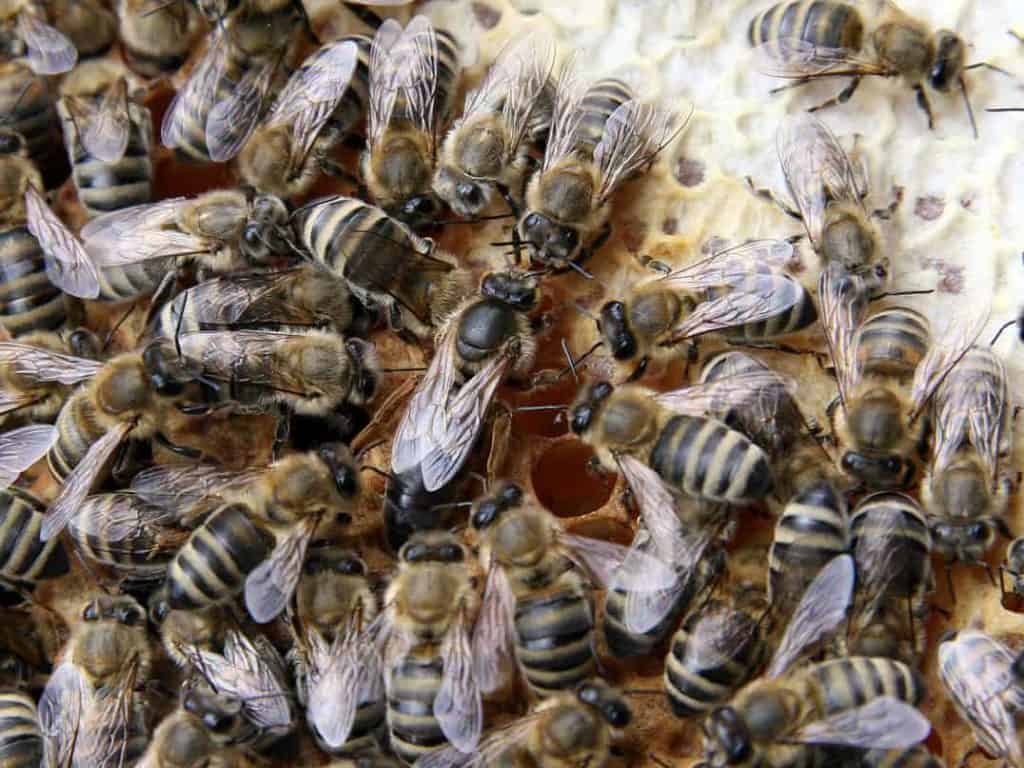
As we celebrate Mother’s Day this weekend, it’s a fitting time to reflect on the most important “mother” in every hive—the queen.
Right now, queens across much of the country are at their peak, laying thousands of eggs per day as colonies rapidly build population for the season ahead. But spring also marks something else: reproductive season for the colony itself.
In many apiaries, that means swarm activity is ramping up—new queens are being raised, and colonies are preparing to divide and expand. It’s a powerful reminder that while we guide and manage our hives, bees are ultimately following instincts that have shaped them for generations.
For beekeepers, this makes queen awareness especially important this time of year:
- Are you seeing eggs and consistent brood patterns?
- Are queen cells present—and what type are they?
- Is your colony preparing to replace or reproduce?
Having a clear view into what’s happening inside the hive can make all the difference. Simple tools—like a queen marking kit to help quickly identify your queen or keeping a spare nuc on hand for splits or swarm management—can make it easier to stay ahead of what your bees are doing without scrambling when things change.
Marking a Queen Bee
Tips for Spotting the Queen
Because during swarm season, things do change—often quickly.
Whether you’re preventing swarms, making splits, or simply confirming your colony is queenright, it all comes back to understanding the queen’s role and staying in tune with the natural rhythm of the hive.
So, this weekend, as we recognize mothers everywhere, it’s worth appreciating the one at the center of every colony—quietly ensuring its survival, growth, and future.
To celebrate Mother’s Day, all of our queen rearing supplies will be on sale—as our way to honor all of the mothers out there! *Sale good for Mother’s Day 2026*
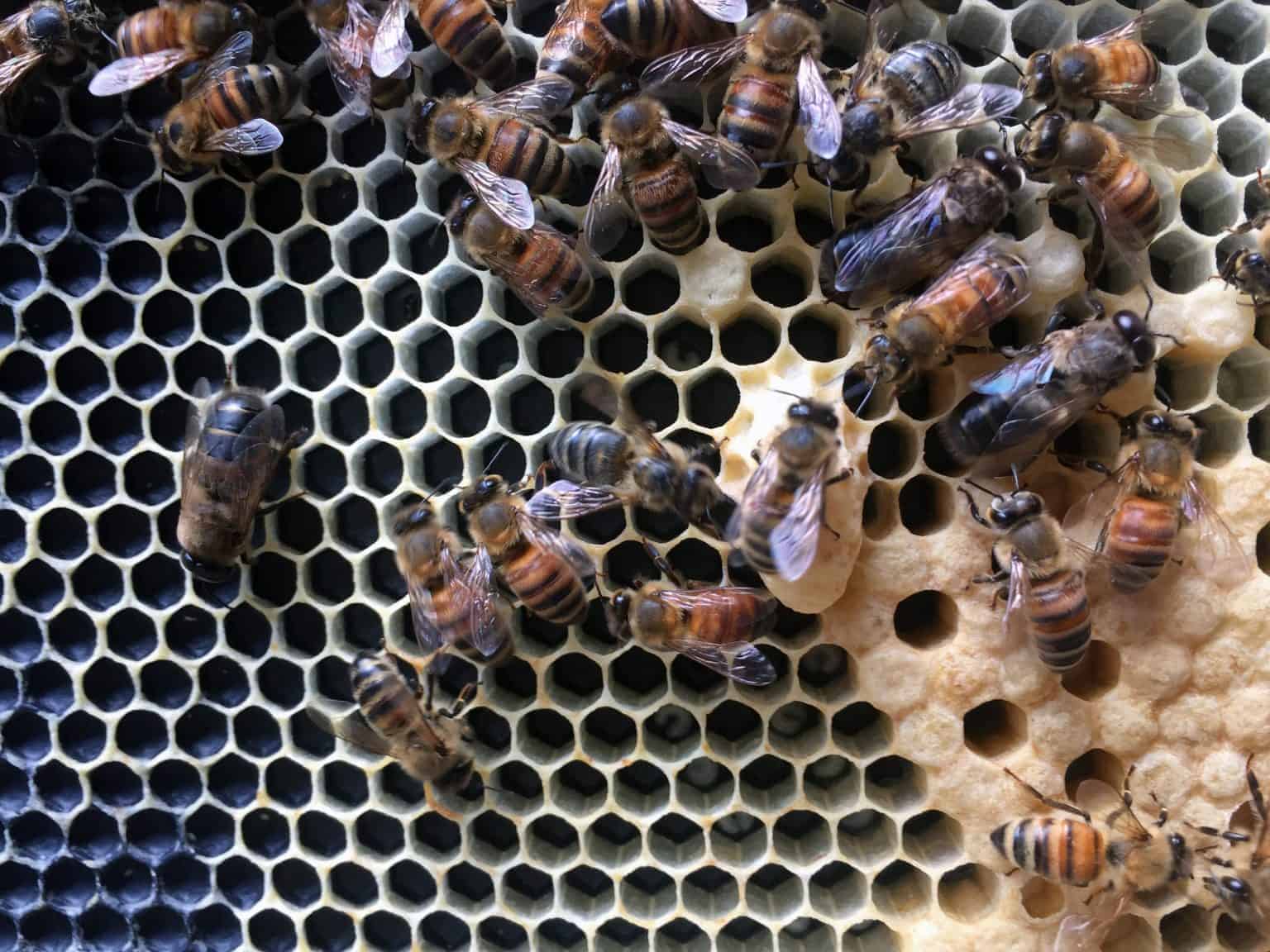
Spring beekeeping has a way of keeping us on our toes. Whether it’s unexpected swarms, rebuilding colonies, or learning new skills like wax rendering, every step adds to your experience and confidence as a beekeeper.
Some lessons are planned—others not so much. But each one moves you forward.
Thanks for being part of the PerfectBee community. We’re glad to be learning and growing right alongside you.
Until next time,
The PerfectBee Team


