We’re back with another edition of the PerfectBee Buzz, bringing you timely insights to keep your bees healthy and thriving as winter winds down and spring nears.
Seasonal Beekeeping Tip: Late-Winter Vigilance
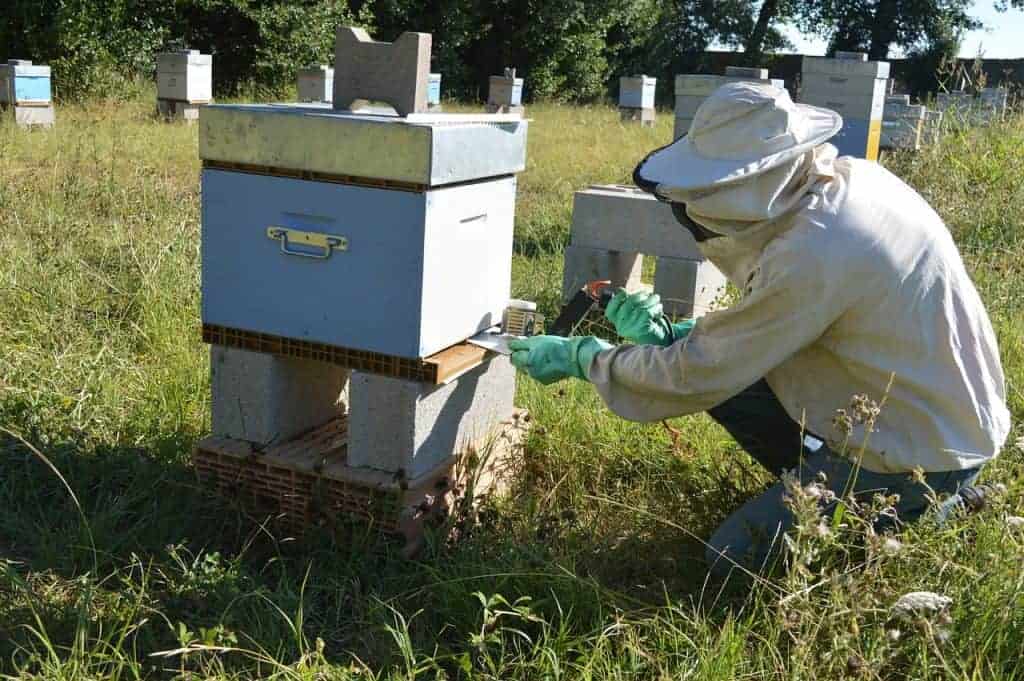
Even as the light lingers longer each day, February can still be one of the most dangerous months for overwintered colonies. This is the stretch when many hives that have survived the hardest cold begin to fail, often due to starvation or unchecked Varroa pressure.
As brood rearing increases, bees consume food faster than they did through the quiet weeks of winter. That means it’s time to monitor food stores closely. On a mild day, you can briefly lift the lid or peek under the cover to ensure your bees have access to food above the cluster. Candy boards, fondant, or dry sugar work well, just avoid long or invasive inspections that might chill the brood or queen.
If your weather allows, this is also an excellent time to consider an Oxalic Acid Vaporization (OAV) treatment. OAV doesn’t penetrate capped brood, but right now, brood levels are still relatively low. Treating now can help colonies enter spring buildup with minimal mite pressure, setting them up for healthier growth.
Keep supporting your colonies from the outside. Monitor, feed if needed, and give them the best chance to thrive as spring approaches.
Shop all of our Feed and Supplements
Why are bees most vulnerable in late winter?
A Beekeepers Guide To Using Oxalic Acid
Ana’s Journey to Beekeeping

From Bolivia to Bees continues this week with one of the most memorable moments in any beekeeper’s journey — the first hive inspection.
In My First Hive Inspection, Ana shares her honest (and sometimes funny) account of opening her hive for the very first time. From figuring out the smoker and spotting her first brood to realizing just how delicate hive work can be, it’s a story every beekeeper can relate to — whether you’re just starting out or remembering your own first peek inside the hive.
My First Hive Inspection – Ana’s Journey to Beekeeping Continues
Continued Concern Over U.S. Colony Losses
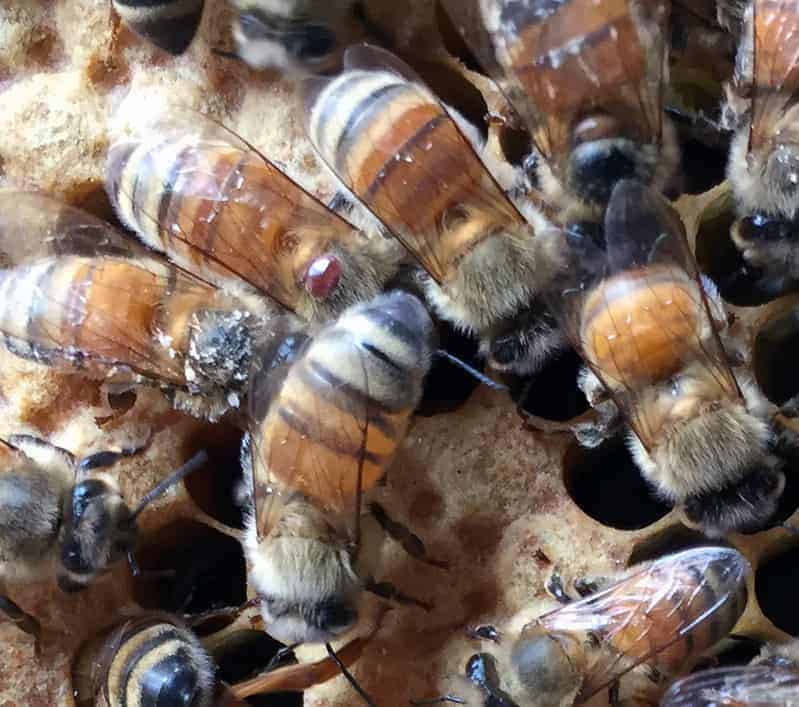
Recent data continues to highlight the difficult reality many beekeepers are facing, honey bee colony losses remain alarmingly high, with more than half of managed colonies lost during the 2024–2025 season.
While the causes are complex, the Varroa destructor mite continues to play a central role, weakening colonies and spreading harmful viruses such as Deformed Wing Virus. The impact is especially visible in California’s Central Valley, where almond pollination season is underway and healthy colonies are in high demand.
These ongoing losses serve as an important reminder for all of us — as fellow beekeepers and stewards of the bees — to stay diligent in monitoring and managing Varroa levels in our own apiaries. Consistent testing and timely treatment remain key to maintaining colony strength and resilience.
Researchers and regulatory agencies continue to explore improved tools for mite control and breeding programs for more mite-resistant queens. Together, these efforts, and our shared vigilance can help protect the health of honey bees across the country.
Fresno, Valley almond farmers on edge after catastrophic losses in honey bee colonies – NewsBreak

As we move through the final stretch of winter, remember — February demands both patience and attention. Keep an eye on food stores, stay proactive with mite management, and take comfort in knowing spring is just around the corner. Your bees have come this far — let’s help them make it the rest of the way.
Warm regards,
The PerfectBee Team