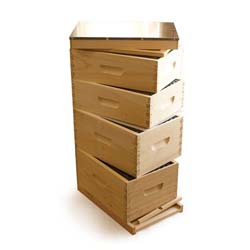
Winter beekeeping can feel frustratingly passive. After a season of constant activity—inspections, swarm prevention, honey harvests—winter’s enforced waiting feels strange. But winter isn’t wasted time. It’s opportunity to learn what beekeepers didn’t have time to study during active season, opportunity to plan improvements, and opportunity to become better beekeepers by the time spring arrives.
Study Beekeeping: Deep Learning When Time Allows
During active season, beekeepers manage immediate situations with little time for deep study. Winter provides that time. The PerfectBee Academy offers comprehensive courses covering topics from beginner fundamentals to advanced management techniques. Winter is ideal for systematically studying topics glossed over during rushed summer learning, watching videos that require focused attention, and revisiting fundamental principles with fresh perspective after experiencing a full season.
Beyond courses, winter is when beekeepers actually read the essential texts sitting on their shelves rather than just owning them—classic beekeeping books, regional guides, scientific texts on bee biology, and specialized topics like queen rearing or disease management. For the analytically inclined, winter provides time to explore beekeeping research on varroa management efficacy, nutrition strategies, breeding programs, and climate impacts on colony survival.
Winter learning doesn’t have to come only from books and courses. Many beekeepers deepen their knowledge and stay connected to the craft by listening to beekeeping podcasts, watching webinars, or following trusted beekeeping blogs. These formats bring current discussions and real-world experiences directly from other beekeepers during the quiet months.
Structured learning beats random internet browsing because it builds comprehensive knowledge rather than piecemeal information gathering. An hour several evenings per week for focused reading transforms practical management by spring.
Remember though, to balance study and rest — winter can also be burnout recovery time for many beekeepers.
Research and Plan Equipment Upgrades
Equipment failures become obvious during active season but there’s no time to address them. Winter is planning time. Beekeepers should inventory current equipment: How many boxes are needed versus owned? Are frames in good condition? Is protective gear adequate? Does the smoker need replacement? Inspecting and repairing woodenware (scraping propolis, repainting boxes, replacing frames) is good physical winter work for mild days.
If specific equipment caused struggles this year, winter is when beekeepers research alternatives—different hive designs, improved bottom boards for moisture management, better feeder designs, or frame foundation options. Reading reviews, watching comparison videos, and joining forum discussions lead to informed spring decisions rather than impulse purchases.
Considering switching from 8-frame to 10-frame equipment – Or foundationless frames? Winter research and planning prevents mid-season equipment chaos. Many suppliers offer winter discounts, so if beekeepers know what they need, winter shopping saves money compared to spring’s higher prices and limited stock-early ordering also prevents spring backorders and stockouts.
Processing Hive Products
Many beekeepers also use winter as processing season. Frames of wax cappings, burr comb, and old foundation can be cleaned and melted down for reuse or for making candles, lip balms, and other wax-based products. Some beekeepers collect propolis from hive parts and craft tinctures or salves, turning what might otherwise go to waste into useful natural products. Processing hive byproducts now means cleaner equipment and less clutter when spring arrives.
Plan Spring Expansion: Strategic Growth Decisions
If the year went well and expansion is planned, winter is strategic planning season. Beekeepers must decide realistically: How many colonies can be managed given time availability? Is there adequate space and budget? What’s the long-term beekeeping vision?
Research shows three main expansion options, each with distinct advantages and timing requirements. Making splits from existing colonies requires learning queen rearing or purchasing queens. Buying package bees provides 3-pounds of bees with a mated queen in a cage. Purchasing nucleus colonies delivers established 5-frame colonies. Winter research helps beekeepers decide and pre-order appropriately. That said, expansion doesn’t have to mean more hives—some beekeepers focus instead on improving colony quality or productivity.
If requeening or making splits, beekeepers should research breeders and their genetic stock, understanding differences between queen lines for traits like hygienic behavior, gentleness, and productivity. Good breeders sell out months in advance, making early placement critical. Expansion also requires calculating equipment needs—boxes, frames, feeders—and ordering while selection is better and prices lower. It’s also worth noting that locally bred queens often improve survival rates due to regional adaptation.
Connect with Local Beekeeping Community
Beekeeping can feel isolating, especially in winter. Community connection provides support, knowledge, and friendship. Some local associations hold regular winter meetings featuring guest speakers, experienced beekeepers sharing techniques, equipment demonstrations, and disease management discussions. Winter meetings often have better attendance than summer meetings because beekeepers have more available time.
Digital communities offer year-round engagement where beekeepers ask questions, participate in management discussions, and share experiences. Winter is ideal for sustained forum participation without rushing to inspect hives. For newer beekeepers, winter is great for establishing mentorship relationships since experienced beekeepers have more availability for discussions. Teaching newer beekeepers also reinforces experienced beekeepers’ own knowledge. Sharing overwintering outcomes and comparing local timing helps everyone calibrate their regional practices. Mentorship can be formal or informal—not everyone joins clubs, but small local beekeeper circles count too.
Many regional and national beekeeping conferences occur during winter—multi-day educational events with expert speakers, hands-on workshops on topics like queen rearing or microscopy, vendor areas, and networking opportunities with beekeepers from different regions. Conference attendance offers immersive learning and community connection that carries through the year.
Review Your Season’s Notes and Learn from Experience
Season notes contain valuable data if beekeepers review and analyze them. Tracking timing relative to bloom periods or weather shifts. Which colonies thrived and why? What management decisions led to success? Which equipment exceeded expectations? Identifying successes helps replicate them deliberately. Equally important: Which colonies struggled? What management decisions caused problems? What timing was off for critical interventions?
Winter also allows for quick, purposeful hive inspections on warmer days when conditions are right. Choose mild weather, work efficiently, and check only what’s necessary—such as verifying food stores or moisture levels—to avoid chilling brood. Brief inspections like this can confirm that colonies remain healthy without disrupting their winter rhythm.
Honest assessment of challenges drives improvement. Most beekeepers learn more from failures than successes—but only if they analyze them. For multi-hive beekeepers, look for recurring patterns: Did all colonies struggle with the same issue, suggesting systematic problems? Did genetics affect outcomes when comparing different queen lines?
Based on review, beekeepers can create specific improvement plans: “Next year, I’ll treat for varroa one month earlier” or “I’ll combine weak colonies in August rather than trying to winter them separately.” Specific, actionable improvements beat vague intentions.
Order Spring Supplies to Ensure Availability
Supply ordering is practical winter work preventing spring shortages. Quality queen breeders sell out early. Beekeepers should research breeders during winter, decide on quantity and timing of queen needs, and place orders by January or February for spring delivery.
Package bee and nucleus colony suppliers take orders starting in fall or winter for spring delivery. Popular suppliers sell out completely—early ordering matters. Beekeepers must understand deposit terms, know approximate delivery dates, and plan equipment preparation around bee arrival timing.
Equipment and supplies should be ordered before spring rush: boxes, frames, foundation, treatment supplies, feeding supplies, protective gear, and extraction equipment. Spring availability becomes limited as demand surges. Winter ordering ensures beekeepers have what they need when they need it.
Conclusion: Winter as a Different Type of Beekeeping Time
Winter isn’t beekeeping downtime—it’s different beekeeping time. Beekeepers aren’t opening hives weekly or managing swarm prevention, but they’re still beekeepers: learning and improving knowledge, planning and preparing for next season, connecting with community, reviewing and analyzing experiences, and maintaining passion for the craft.
By the time spring arrives and bees take their first cleansing flights, beekeepers will be more knowledgeable, better prepared, and more connected than when winter began. Winter is learning time, planning time, community time, and reflection time. While the bees cluster and conserve, the beekeeper’s winter work ensures both emerge stronger in spring.