Winter transforms the beekeeping experience. The constant hum of activity that defines spring and summer falls silent. The daily inspections that structured warm-weather beekeeping become impossible—even harmful. For many beekeepers, particularly those experiencing their first winter, this enforced separation creates anxiety. What’s happening inside that closed box? Are the bees alive? Thriving? Struggling?
Understanding what to expect as winter unfolds helps distinguish normal winter behavior from genuine problems requiring intervention. This knowledge provides reassurance during the long months when opening the hive would do more harm than good.
The changing reality of winter
Traditional beekeeping literature often divides winter into neat phases: early winter dormancy, mid-winter cluster maintenance, and late winter brood rearing. While this framework provides a useful teaching tool, winters are increasingly unpredictable. Mild temperatures, sudden cold snaps, unseasonable warm spells, and compressed seasons have become common across many regions.
In a typical cold winter with sustained freezing temperatures, these phases progress predictably. But many beekeepers now experience winters where phases overlap, compress, or barely exist. A January warm spell might trigger brood rearing typically associated with late winter. A February freeze might return bees to tight clustering. Some southern regions experience little clustering at all, with bees flying intermittently throughout winter.
The key is recognizing that weather drives colony behavior more than calendar dates. What beekeepers should expect depends heavily on local conditions, regional climate patterns, and the particular character of each winter.
Early Winter: Settling into silence
In colder regions, early winter brings noticeable quiet. The hive that hummed with tens of thousands of bees now appears lifeless. This silence is normal and healthy—the colony has formed its winter cluster and reduced activity to conserve energy.
External observations during early winter typically include:
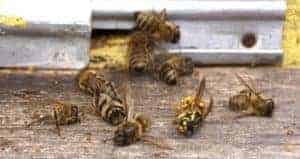
- Dead bees at the entrance and on the ground nearby. Winter attrition is natural. Older bees die, and the colony maintains cleanliness by removing corpses. Finding scattered dead bees throughout winter is expected, not alarming. These are not signs of colony failure but evidence of normal housekeeping.
- Occasional large piles of dead bees pushed outside. Sometimes the cluster conducts major housekeeping efforts, pushing hundreds of dead bees at once. These piles can startle new beekeepers, but they typically indicate a strong, organized colony maintaining sanitary conditions. The dead bees often appear wet—this moisture comes from decomposition and the humid environment inside the winter hive.
- Heat signatures near the entrance. In snowy conditions, warmth from the cluster may create dry spots or cause snow to melt near the entrance. This visible evidence of cluster heat reassures beekeepers that the colony remains active inside.
- Complete stillness on cold days. When temperatures drop significantly, expect no external activity whatsoever. The cluster tightens, generating heat internally while minimizing movement and energy expenditure.
Mid-Winter: Watching for flight opportunities
As winter continues, beekeepers should watch for cleansing flights—brief opportunities when temperatures rise enough for bees to exit the hive and defecate. Honey bees are remarkably clean insects that rarely defecate inside the hive except in cases of severe disease. They hold waste throughout cold periods, sometimes for weeks or even months, until conditions allow flight.
Cleansing flights can occur whenever temperatures reach the low to mid-40s Fahrenheit, particularly with sunshine that warms hive surfaces and encourages activity. In milder regions, these flights might happen regularly throughout winter. In severe climates, the colony might wait weeks between opportunities.
Brown spots on snow are visible signs of cleansing flights. These spots, scattered around the hive or landing on snow-covered surfaces, represent the waste products bees release during their brief flights. Far from concerning, these marks indicate the colony successfully found opportunity to maintain hygiene.
Water foraging on warm days sometimes accompanies cleansing flights. Bees may visit water sources to bring moisture back to the cluster, particularly if they’re beginning to rear small amounts of brood. Some beekeepers provide water sources within 50 yards of hives during winter warm spells, though bees often find natural sources effectively on their own.
Regional variation significantly affects these patterns. January cleansing flights are common in temperate zones where temperatures regularly rise above freezing. Northern beekeepers might see few or no flights between November and March. Southern beekeepers might observe regular flight activity throughout winter months.
What the cluster is likely doing during mid-winter varies with temperature and food stores. In sustained cold, the cluster continues its primary mission: generating heat while consuming minimal resources. When conditions allow, the colony may begin very limited brood rearing, particularly in milder climates or during warm spells. This early brood production helps ensure adequate population for spring buildup, but it’s typically minimal—perhaps a patch of brood the size of a fist or smaller.
Late Winter: The vulnerable transition
Late winter presents the most critical period for colony survival. As days lengthen and temperatures occasionally rise, the colony’s instincts push toward spring buildup. The queen may increase egg laying significantly. The cluster expands to cover growing brood areas. Resource consumption accelerates.
This transition creates vulnerability. The colony that conserved resources effectively through deep winter now burns through stores rapidly. A late winter cold snap can catch an expanded cluster unable to reach remaining food stores. This is when well-prepared colonies can still fail—not from poor planning, but from the cruel timing of weather patterns.
Beekeepers should expect:
Increased activity on warm days. Flight activity becomes more pronounced and sustained. Orientation flights—where young bees take their first short flights near the hive—may begin. Pollen foraging might commence if early blooms appear.
Continued dead bee accumulation. Winter losses continue as older bees die and new, younger bees haven’t yet fully replaced population. The colony may still appear to be shrinking even as it prepares for spring expansion.
Gradual weight loss throughout winter. A healthy colony progressively consumes food stores, becoming noticeably lighter as winter advances. This weight change is expected and normal—sudden dramatic weight loss or no weight change at all would be concerning.
Recognizing genuine problems
While most winter observations fall within normal parameters, certain signs warrant investigation or intervention:
Live bees crawling outside on cold days, unable to fly. Wet, torpid bees crawling on snow or ground during freezing conditions may indicate moisture problems, disease, or bees forced out by congestion. While individual bees occasionally emerge and become chilled, large numbers suggest potential issues.
Entrance completely plugged with dead bees. While some dead bees at the entrance are normal, complete blockage can prevent ventilation and trap the living cluster inside. Gently clearing the entrance when discovered is appropriate.
Physical disturbance to the hive. Winter storms can tip hives, blow off covers, or shift boxes. Regular visual checks after severe weather help catch these problems quickly. Similarly, predator disturbance—scratched ground around the hive, chewed entrance reducers, or claw marks—deserves attention. Securing hives against bear interference or protecting from persistent mouse or skunk pressure may become necessary.
Foul smell. While beekeepers shouldn’t open hives in cold weather, a strong foul odor detectable from outside suggests potential disease or dead colony.
Finding your winter balance
Beekeeping literature often emphasizes a hands-off approach during winter: “Leave them alone.” “Don’t open the hive.” “Resist the urge to check.” This advice is sound—opening hives in cold weather breaks the propolis seal bees worked so hard to create, releases vital heat, and can chill or kill brood.
Yet the emotional reality of winter beekeeping is more complex. The enforced separation from colonies feels unnatural, particularly for engaged beekeepers who check their hives regularly during active seasons. Worry about winter losses is legitimate—winter is when colonies fail most frequently.
There’s a middle path between harmful interference and complete neglect. Visual monitoring doesn’t harm colonies. Walking past hives daily to check for storm damage, predator signs, or structural problems is responsible stewardship, not meddling. Watching for flight activity on warm days, noting dead bee accumulation patterns, and observing snow melt around entrances provides valuable information without disturbing the cluster.
Some beekeepers find meaning in small winter interventions—placing water sources near hives during warm spells, gently clearing entrance blockages, or even attempting to warm and revive individual chilled bees found outside. While reviving a single torpid bee won’t save a failing colony, these small acts of care can matter to the beekeeper’s emotional health during the long winter wait.
Both approaches can succeed: the hands-off observer who checks hives monthly and the engaged daily checker who monitors without interfering. The goal is finding a balance that keeps bees safe while keeping the beekeeper’s anxiety manageable. The emotional health of the beekeeper matters too.
Weather-driven expectations
Perhaps the most important expectation for winter beekeeping is this: expect variation. The “normal” winter described in older beekeeping books—sustained cold, minimal activity, clear phase progressions—represents just one scenario among many possibilities.
Increasingly, winters deliver unpredictable patterns. Warm Decembers followed by brutal Februaries. Mild stretches interrupted by sudden freezes. Compressed winters where spring arrives weeks early. These variations aren’t failures of the beekeeper’s preparation or the colony’s strength—they’re simply the new reality of beekeeping in a changing climate.
What colonies need remains constant: adequate food stores, strong population, disease management, and protection from extreme weather. How winter unfolds around those prepared colonies varies tremendously by region, year, and local weather patterns.
The beekeeper’s task during winter is observation, patience, and readiness to respond to genuine problems while resisting the urge to “help” in ways that cause harm. Understanding what to expect—and what’s within normal variation versus genuinely concerning—makes the winter vigil more manageable and less anxious.
Spring will come. The hive will open again. Until then, the colony manages its own survival with remarkable skill, while the beekeeper stands watch from the outside, guardian of the winter wait.